My Cart: 0 item(s)

Esentia Systems Blog
Moving from Dahua to Luminys: What Has Changed in 2026?
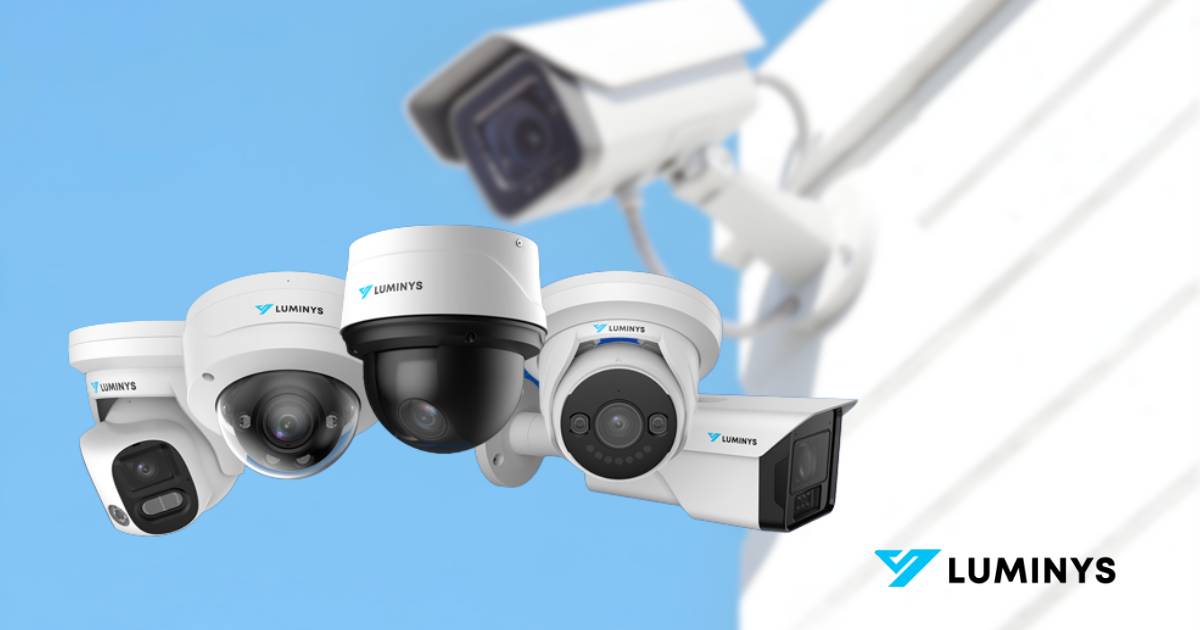
Dahua to Luminys: What security buyers need to know about the 2026 shift
Dahua to Luminys: Learn why more integrators are upgrading in 2026 for better compliance, cybersecurity, and low-light performance.
by Brandon Scott • April 14, 2026
For years, Dahua was one of the most recognized names in the security industry.
For over a decade, Dahua has been the default choice for many professional surveillance systems.
However, the landscape of that conversation has changed significantly in 2026.
The buyer in today’s market is looking at security systems differently. The key questions now include NDAA compliance, supply-chain integrity, cybersecurity, and low-light performance. For those same reasons, more integrators are now comparing Dahua vs. Luminys as a practical migration decision for today’s modern projects.
Luminys maintains much of the interface logic and usability users already know, while offering a platform that is more aligned with today’s compliance and procurement expectations.
In other words, if Dahua was a familiar standard, then Luminys is emerging as a more future-focused option.
Why the Move Matters in 2026
The security industry is no longer driven by specifications alone.
Project approvals are now often determined by whether a system can meet procurement requirements, pass compliance review, and reduce long-term risk. Luminys states that its branded products comply with Section 889 of the NDAA and are manufactured through the Foxlink supply chain without components sourced from covered entities.
What still feels familiar
One of the biggest reasons people love this migration path is that it doesn’t feel like a full reset.
Professionals with Dahua experience find the menu logic, setup flow and recorder structure familiar enough to keep work moving. That’s important when your team is working on multiple projects, managing time and trying to avoid retraining headaches.
In short:
- Dahua defined the workflow that many people know
- Luminys helps create a more future-proof version of that
That’s why Luminys is gaining traction in California and other North American markets.
What is Actually Better with Luminys
1. New Low-Light Imaging Technology
Surveillance purchasers have higher standards for nighttime vision than merely being able to see something.
Luminys has taken steps in developing new technologies using artificial intelligence (AI) enhanced low-light imaging technology. Professionals utilizing these cameras will be able to use this type of nighttime visual technology as a smarter tool to track individuals, vehicles, and movement at night. Even if an area does not require high-risk nightly monitoring, having reliable overnight monitoring capabilities may be reason enough to upgrade.
2. Alignment With Current Security Expectations
As of 2026, buyers are looking for security products that were developed for current times and not simply adapted from years past. This means:
- Better cybersecurity features
- Cleaner remote management options
- More modern deployment options
- A more polished experience across products
Luminys Systems is positioned very strongly on the above items. The company provides a platform that aligns with the current methods used by security professionals when evaluating their ability to manage risk, provide ongoing support, and ensure long-term compatibility.
3. Sustainable Ecosystem Thinking
The current conversation regarding surveillance systems is not solely focused on individual devices. Instead, it is centered around connected tools, cloud-based solutions, analytical capabilities, and many buyers consider it a matter of creating "ecosystems" in the sense that are sustainable.
Therefore, a modern system should not only solve problems currently experienced, but also enable organizations to grow and evolve over time while minimizing the amount of resources needed to rebuild their entire system.
Featured Upgrade Picks
Here are three product examples that show Luminys Systems Corporation as an innovator for 2026 upgrade discussions.
The Luminys N2T-4RA2: A Practical Pro
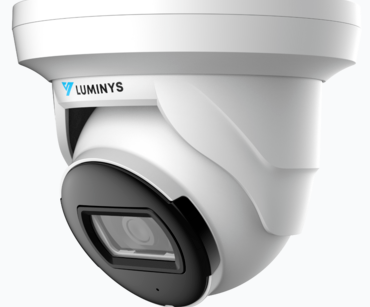
This is a good substitute for standard 4 MP domes or turret cameras.
A good choice for:
- High volume swap-out projects where you need reliable performance, easy installation, and competitive pricing.
- Retail,
- Residential,
- Standard replacement jobs.
The Luminys N5T-4LA2: Night Vision King
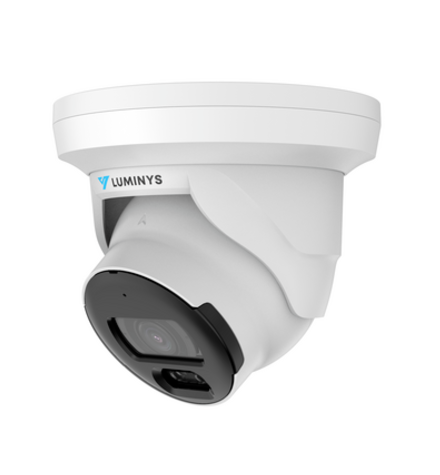
Designed for applications with lower light conditions (night) where image clarity is most important.
For customers upgrading from old Starlight cameras, this type of Luminys camera will help advance their discussion on performance. This camera provides improved low-light detail and performance that meets expectations for applications that require it.
Best for:
- Perimeter protection
- Dark parking lots
- Loading docks
- Low-light Forensic coverage
The Luminys N5P-8DA2: Panoramic Powerhouse
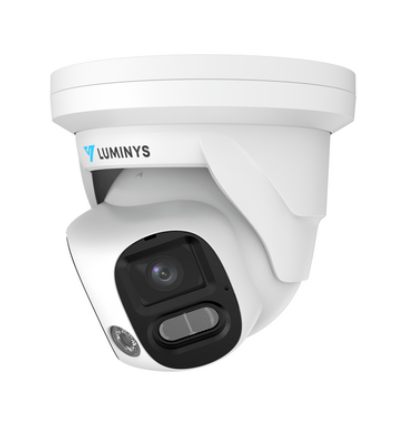
Two devices may be needed to provide a wider view of a given location; however, why take the time to install multiple devices when one device can provide a wide enough view to meet your needs?
This device allows for a panoramic viewing angle, which improves the ability of security personnel to visually monitor areas and reduce the number of locations that have to be monitored. The use of modern technology by Luminys makes this possible.
Best for:
- Storefronts
- Ware houses
- Wide commercial spaces
Quick comparison: Dahua vs. Luminys in 2026
|
Feature |
Legacy Dahua (Pre-2024) |
Luminys (2026 Edition) |
|
Compliance |
Non-NDAA / restricted in many project contexts |
NDAA / Section 889 positioned |
|
Night vision |
StarLight |
LumiLuxSmart / LumiNightKing |
|
Encoding |
H.264 / H.265 |
Smart H.265+ / H.264+ |
|
Durability |
Standard IP67 |
IP67 / IK10 on selected models |
|
Cybersecurity posture |
Older-generation expectations |
Stronger modern security positioning |
|
Platform direction |
Legacy familiarity |
Compliance-ready future growth |
Can you mix Dahua and Luminys during migration?
Yes, there are many situations where a staged upgrade can be completed.
There is information available from Luminys that supports using ONVIF-based integration flows for other products and installing additional third-party cameras. This means that you should still be able to view and record with some older Dahua devices on a Luminys NVR.
In your distributor copy you have referenced both ONVIF and FTP/SFTP as potential paths for migration. It would be beneficial to emphasize this option since it provides a realistic plan of action for users:
- Upgrade all high-priority perimeter cameras first,
- Continue to use existing devices in lower-risk areas,
- And upgrade to an entirely new Luminys solution at a later date.
A staged approach typically represents the least expensive method to modernize while allowing for a total removal of older equipment.
What do I need to upgrade first?
If you are going to be doing a phased deployment (staged migration), then you will want to start at the area of the store that has the poorest performance:
- parking lots
- rear exit doors
- perimeter walls or fences.
- loading dock areas
- storefront entrance/exit doors
the dark corner(s) of your building with the least amount of coverage with your older camera systems.
These are the areas that see the greatest benefit for improved AI-ISP image quality and low-light color reproduction.
In conclusion
Replacing Dahua cameras with Luminys cameras in 2026 is much more than just a camera replacement.
It is moving towards:
- stronger cybersecurity position.
- and a smoother, longer-term upgrade path.
FAQs
Is Luminys simply rebranding Dahua?
No. Although many users may notice familiar workflow processes, Luminys states that it is an independent brand under the Foxlink umbrella, with its own compliance positioning and support for NDAA-related requirements.
What are the top three reasons organizations moved to Luminys in 2026?
The top reasons were compliance, procurement readiness, and cybersecurity considerations. Some organizations also looked at Luminys for access to newer AI-based image processing capabilities, making it a stronger fit for evolving project requirements.
Will older Dahua cameras work with a Luminys NVR?
In many cases, yes. Luminys supports ONVIF standards and third-party camera compatibility. However, full performance and feature optimization are typically best achieved within a complete Luminys system.
What is the primary low-light advantage of Luminys?
Luminys highlights Lumi Night King and related AI-ISP image processing technologies as part of its latest low-light offering, designed to deliver stronger color quality and clearer detail in darker environments.
Which Luminys models may be well suited for migration projects?
Based on the models listed, these appear to be strong migration options:
- N2T-4RA2: Suitable for replacing four-megapixel cameras.
- N5T-4LA2: Low-light cameras for perimeter coverage.
- N5P-8DA2: Panoramic deterrent cameras for wide-area surveillance.
Ready to plan your upgrade?
Explore the latest Luminys lineup and identify the right replacement path for your current Dahua footprint at Esentia Systems.
overall rating:
my rating:
log in to rate