My Cart: 0 item(s)

Esentia Systems Blog
Hanwha AI Camera: 9 Things to Check Before You Buy (2026)
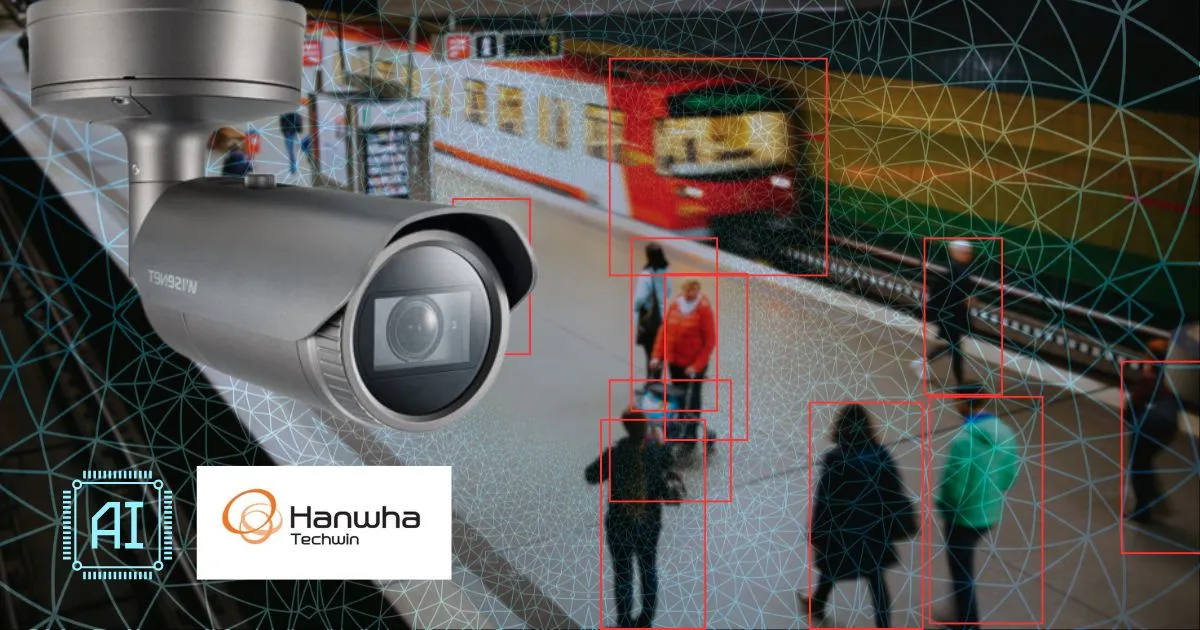
Hanwha AI Camera Buyer Guide: What to Check Before You Buy
Planning to buy a Hanwha AI Camera in 2026? Use this 9-point checklist to compare key features, reduce false alarms, and choose the right P Series model.
by Brandon Scott • February 04, 2026
Buying an AI camera sounds easy at first. Then reality hits. Not all “AI” works the same way once it’s installed. Some systems spam you with alerts because a shadow moved. Others struggle to catch people at night. And sometimes the AI features you wanted are buried in settings, filters, or tied to a server setup you didn’t expect.
Real-world monitoring is messy. Trees sway. Lights change. Shadows slide across the ground. Animals pass by. A regular camera can treat all of that as an “event,” which quickly turns into noise. That’s when operators get stuck doing endless reviews instead of responding to what matters.
This is where an AI camera with AI object detection and stronger analytics helps. Instead of reacting to motion alone, it focuses on classified objects. It can prioritize detected objects like people and vehicles. That means fewer distractions, fewer false alarms, and better day-to-day operational efficiency.
If you’re considering a Hanwha AI camera from Hanwha Vision, this guide is for you. We’ll break down what the tech actually does, what to check before buying, and how to choose reliable cameras with the right video quality for your environment.
What Is a Hanwha AI Camera?
A Hanwha AI camera is a smart surveillance camera from Hanwha Vision that uses AI (artificial intelligence) to analyze video as it records. Instead of basic motion sensing, it uses AI object detection to identify detected objects and classify them, meaning the camera can tell the difference between a person, a vehicle, and other objects.
So instead of “something moved,” you get information like:
- “Person detected”
- “Vehicle detected”
- “Animal detected”
That’s what people mean by classified objects—the AI recognizes what the object is, not just that something changed in the picture.
A quick history buyers ask about
Hanwha’s AI rollout began under Hanwha Techwin around 2020 when the company introduced AI through its P Series (often associated with the Wisenet lineup). That’s where edge-based AI analytics became a major focus—like object detection, attribute extraction, and tools for reducing false alarms. In 2023, Hanwha Techwin rebranded globally as Hanwha Vision, keeping AI and analytics as a key direction.
Things to Check Before You Buy
1. AI Object Detection Accuracy
This is the most important thing to check. A good AI CCTV camera should reliably detect:
- people
- vehicles
- relevant objects in the scene
If the AI struggles, you’ll either miss real events—or get spammed by alerts. The goal of ai object detection is clear: detect the right things consistently, so users can trust the system.
2. False Alarm Reduction Capabilities
Let’s be honest—false alarms are what make people hate CCTV notifications.
The most common triggers include:
- shadows moving across the ground
- wind moving trees
- headlights changing the scene
- small animals running by
A strong Hanwha AI camera helps with reducing false alarms by focusing alerts on classified objects like people and vehicles. This makes monitoring calmer, faster, and more reliable for operators.
3. Key Features and Advanced Analytics
Buyers often ask, “What are the key features I should look for?”
Here are the practical ones:
- AI alerts based on real object detection (not motion only)
- Smart filters to search events faster
- Strong analytics that help users review footage efficiently
- Admin controls for user access and permissions
AI analytics in Hanwha Vision cameras can also support business intelligence, not just security. Depending on the model and setup, you may see metrics like people counting, heat mapping, and queue management. These insights help users improve staffing, traffic flow, and day-to-day operational decisions.
4. Video Quality and Detection Range
AI can only work as well as what the camera can see.
If the video quality is poor—especially at night—an AI camera can misread objects, miss faces, or confuse people and vehicles. That’s why image clarity matters just as much as analytics.
- Here’s what to evaluate before you buy:
- Clarity and sharpness (fine details stay visible)
- Night performance (low-light accuracy and stability)
- AI Noise Reduction (minimizes noise in low-light environments, ensuring sharper images)
- Ability to identify faces when it matters
- Detection range (how far the camera can reliably detect and classify objects)
A camera can have strong analytics, but if the footage is messy or dark, it won’t deliver the results you expect.
5. Camera Series and Model Selection (P Series Focus)
Hanwha Vision offers multiple series AI cameras, and one of the most recognized lines is the P Series—built for buyers who want enterprise-grade AI performance.
Within that series, the X Series is often discussed too, especially when buyers need durable hardware and stronger advanced analytics. The main idea is simple: camera series matter because they determine what you can do with AI, the type of analytics available, and how reliable the camera will be long-term.
Suggested Hanwha P Series:
If you want strong AI performance from Hanwha’s lineup, these two P Series options are great starting points:
A 4K AI motorized varifocal flush dome built for clean indoor installs. Great when you want reliable AI object detection, strong video quality, and a discreet camera design.
A 4K AI motorized varifocal dome that fits many indoor and covered-area setups. Good for buyers who want wide monitoring coverage with strong analytics and reliable detection of people and vehicles.
6. Attribute Extraction for Faster Searches
This is one of the most useful AI features for daily reviews.
Attribute extraction helps users search recorded video using details like:
- gender
- clothing color
- vehicle attributes
Instead of scrubbing through hours of footage, operators can use analytics and filters to find the right clip faster. That’s a direct boost to operational efficiency, especially when events happen often.
7. BestShot Feature for Clear Evidence
The BestShot feature is exactly what it sounds like: the camera automatically captures the clearest image when a person or vehicle is detected.
That matters because it helps with:
- clearer images of faces
- faster identification of people
- better evidence in reports and reviews
For many buyers, this becomes one of the most practical “everyday” features.
8. Edge AI vs Server-Based Analytics
Some systems lean heavily on a centralized server to run analytics. Others let the camera do more of the thinking on its own through edge-based AI.
- Edge AI is popular because it’s:
- Faster for alerts, since the camera analyzes what it sees right away
- More efficient for bandwidth, because you’re not constantly sending heavy video streams around
- Often simpler to manage, especially when you have multiple cameras in different areas
With edge-based AI, the camera analyzes data locally and sends only the results—and the relevant video—to the server when needed. That keeps things efficient and can help lower server costs, especially in multi-camera setups where analytics are running all day.
A server-based setup can still make sense for larger deployments or more complex requirements. The key is to check what your camera supports and what your system actually needs before you buy.
9. Technical Support and Long-Term Reliability
AI cameras are not “set and forget.” Long-term success depends on:
- ongoing updates
- reliable firmware support
- dependable technical support
- secure access controls for users and operators
A good camera is more than hardware—it’s a system you’ll be using for years.
Buyer Checklist: Is a Hanwha AI Camera Right for You?
Use this quick checklist before buying:
- Do you need AI alerts for people and vehicles (not just motion)?
- Are shadows, trees, animals, or environmental movement causing false alarms on your site?
- Do you want analytics tools like attribute extraction and BestShot?
- Will operators need fast reviews and smart filters for events?
- Do you need strong video quality for faces and identification at range?
- Do you have a plan for access, updates, and technical support?
Conclusion
A Hanwha AI camera can be a smart investment—especially if your priority is fewer false alarms, clearer monitoring, and more useful analytics for daily operations. The best results come from matching the camera’s features to your environment: lighting, shadows, trees, animals, range, and the way your operators actually handle events and reviews.
Hanwha solutions are available through Esentia Systems, specializing in surveillance (CCTV and IP cameras), access control, low-voltage cabling, and networking equipment. Reach out to Esentia Systems for technical support, product recommendations, and expert advice to help you choose the right setup.
overall rating:
my rating:
log in to rate